









Introduction to Hormita
All life on Earth is intricately linked, and every living thing is essential to preserving the fragile equilibrium of our ecosystems. The intriguing hormita species is one of these crucial creatures. This incredible animal deserves our respect for the important role it plays in its ecosystem, despite the fact that it is frequently disregarded. To preserve hormita for future generations, we must first understand its significance, then its threats, and finally, how to overcome these obstacles. Learn how hormita conservation is about more than simply rescuing a species; it’s also about ensuring the survival of our world.
The Importance of Hormita in the Ecosystem
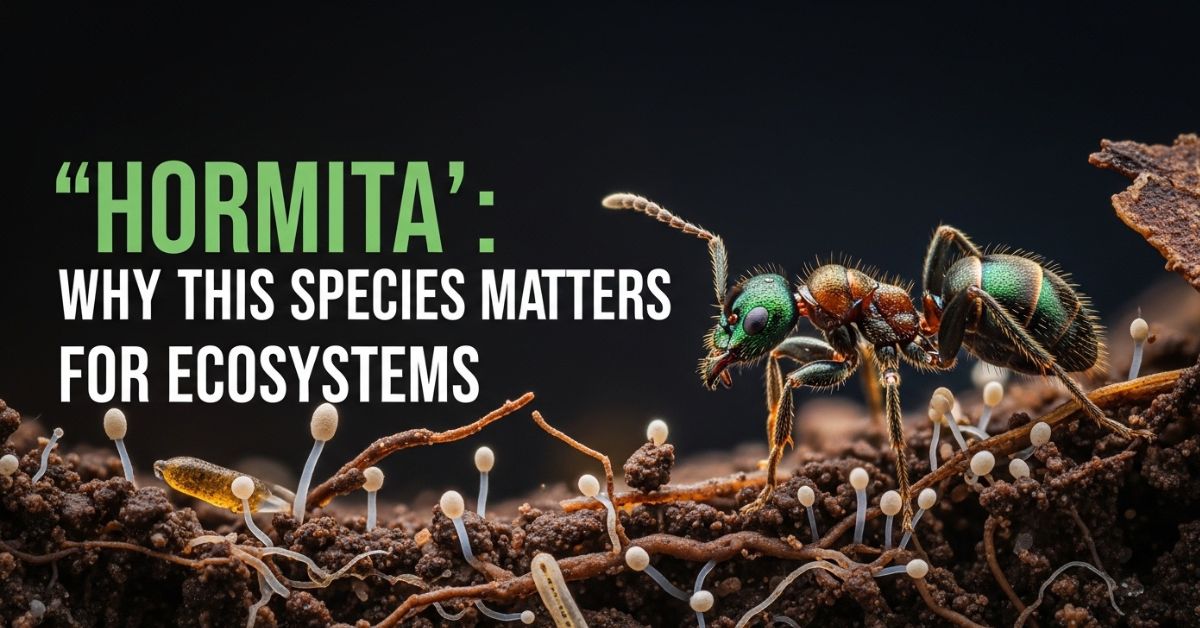
When it comes to ecological balance, Hormita is an absolute must-have. Soil health and nutrient cycling are two ways in which these creatures help ecosystems flourish.
Their variety is supported by the fact that they are vital food sources for many different species. The existence of these organisms is often indicative of a healthy environment. When there are many of Hormita, it typically signifies that other species are doing well as well.
On top of that, they provide a home for aquatic creatures and filter contaminants, thus they aid in controlling water quality. By increasing soil aeration and moisture retention, their actions can boost plant development.
Hormita promotes adaptability to changing environments by encouraging resilience via these habitat-based interactions. Diverse ecosystems that depend on complex interactions among all forms of life depend on their preservation.
Threats to Hormita’s Survival
Hormita is at danger from a wide variety of directions. The destruction of natural habitats is a major problem. The natural environment is being encroached upon by urbanization and agriculture, which is causing population fragmentation and a decrease in available resources.
A major contributor to Hormita’s dwindling numbers is pollution. When pollutants reach rivers, they have the potential to damage immune systems and interfere with reproductive cycles.
A new obstacle has emerged: climate change. Hormita is finding it harder and harder to survive as a result of changes in weather patterns, which impact both the availability of food and places to lay eggs.
When invasive species enter an area, they can cause problems such as resource competition or the introduction of new diseases. Hormita has a hard time adapting to her new environment because of all the outside forces working against her.
To ensure that this rare species continues to thrive in the face of increasing threats, it is essential to have a good grasp of these dangers.
Efforts towards Conservation
Hormita conservation activities are picking up steam in a number of different areas. Communities and organizations are banding together to prevent the extinction of this critically important species.
In order to better understand their reproductive health and habits, researchers have instituted programs to track hormone levels in particular communities. Accurate management techniques rely on the data collected.
Participation from the community is also crucial. Sustainable methods that improve people’s lives and the planet are promoted in workshops that teach villagers about hormita.
Funding and resources for habitat restoration projects are provided via partnerships between governments and NGOs, which further strengthens these initiatives. Hor-mita are able to flourish in areas that are not yet impacted by human settlements because of reforestation efforts.
The importance of protecting this rare species can be better understood through public awareness efforts, which in turn encourage people to do what they can to ensure the species’ continued existence. This group’s dedication to hormita’s future is evident in their concerted effort.
Sustainable Practices for Protecting Hormita
Protecting Hormita and its environment requires the implementation of sustainable methods. Advocating for ethical travel is one effective tactic. We might encourage admiration and reverence by informing them of Hormita’s importance.
Habitat restoration is another important method. The environment can be helped by reforesting the places where Hormita is most abundant. Plants that are native to an area help indigenous wildlife and make it more resilient.
Additionally, community involvement is crucial. By being involved in conservation activities, local residents are given the capacity to own and care for their natural resources. Community needs may be met through workshops on sustainable agricultural practices, which can prevent land degradation.
By providing funding for study, we may help scientists learn more about the ecosystem and dangers that Hor-mita confronts. Conservation efforts can be more successful and based on the latest scientific knowledge using data-driven tactics.
The Future of Hormita and its Impact on the Environment
How well our world does in the long run determines hormita’s fate. The importance of this rare species is growing as biodiversity dwindles. From soil formation to nutrient cycling, their existence affects a wide range of biological processes.
New conservation initiatives are creating hope for the future. A growing number of communities are realizing the importance of these individuals in preserving ecological harmony. These important creatures can be saved if we raise people’s consciousness and teach them about the need of protecting them.
The role of technological progress is equally significant. To make sure such techniques work in the long run, researchers are using state-of-the-art tools to track hormone levels and population dynamics.
Participation from the local populace is also crucial. Hormitas form long-term partnerships with communities who actively care for their environments, because both parties gain from the partnership.
Future efforts to preserve ecosystems as a whole, not only Hor-mita specifically, will be shaped by our understanding of the how hormones interact with environmental elements.
Conclusion
More than just local communities have a responsibility to do their part to preserve Hormita. Every one of us can make a difference in the lives of this endangered animal and the environment in which it thrives. The significance of Hormita in our ecosystems can be better understood via educational initiatives.
When we educate others, we motivate them to do the same, whether that’s by being more environmentally conscious in their everyday lives or by lending their support to conservation activities. The effectiveness of these initiatives can be enhanced via collaboration with groups whose sole purpose is to safeguard Hor-mita.
Responsible tourism is an important part in preserving Hormita’s natural beauty for future generations. Minimizing plastic consumption and opting for environmentally conscious items are other easy ways to make a big difference in protecting their habitat.
Making sure Hor-mita is around for future generations is a community effort, and every little bit helps. We can pave the way for a future where humans and other species coexist peacefully if we accept our responsibility as caretakers of the natural world.